

I Can Do It Myself, Dammit!
Why is it so hard to ask for help?
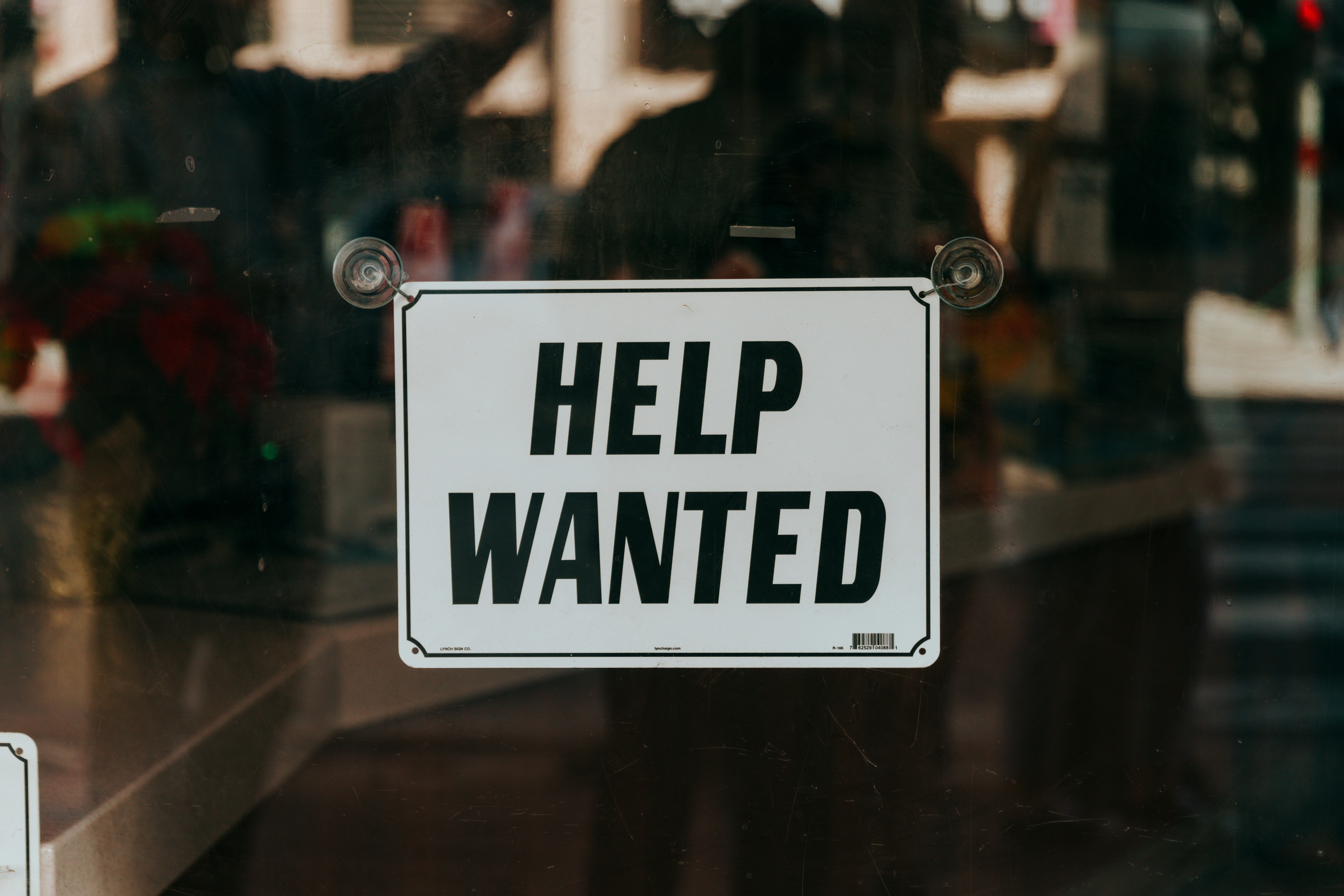
I’ve recently had to do one of my least favorite things: ask for a favor. After curating and editing an anthology, it would seem as if the hard part was over, but it was just beginning. While I’m relieved that the manuscript is off my desk and on its way to the designer, I’ve been stuck in that purgatory everyone about to launch a book is familiar with—that uncomfortable place I’ll call blurbville. I don’t know a writer who doesn’t dread having to ask five or ten or fifteen other writers or experts to read their book and offer a snappy comment for the jacket or a well-wrought paragraph or two for the front of the book. And then there’s the waiting and, later, as the deadline draws near and nothing has landed in your inbox, the need to nudge those who’ve agree to blurb, all the while being certain that they haven’t responded because they hate your book.
Let me be clear: This isn’t an ADHD thing (except, perhaps, the part about jumping to the conclusion that your book is trash…or maybe not). I don’t know a single writer who doesn’t dread having to request blurbs. It’s understandable, because you’re asking busy people with deadlines of their own to spend a minimum of several hours reading your book and then adding the pressure of expecting them to come up with attention-getting copy that makes you look good to potential readers. And all they get for their effort is the satisfaction of giving someone else a boost.
What is an ADHD thing is being uncomfortable asking for any kind of help … from anyone. Like asking for a simple favor, even from someone we know will be all too happy to comply. Or asking for advice from someone because we’re afraid to bother them, even though we know that most people are flattered to be called upon to give advice and are usually willing to provide generous help. If only we ask.
But we don’t wanna ask!
We don’t even want to ask for directions, let alone for something more substantial.
I once dragged a heavy bookcase up two flights of stairs rather than ask for help and hurt myself in the process. Worse, I refused help when it was offered because I thought it was somehow important that I be able to do it myself, even if I had to wrench my arm out of its socket to do so. And the reality is, though I managed—just barely—I wasn’t strong enough to be absolutely sure I was equal to the task and I could easily have lost my grip, potentially hurting someone unlucky enough to be heading up the stairs behind me. And I did this after insisting on putting the bookcase together myself, despite not having the appropriate tools or the two sets of hands necessary. And if you’re wondering, yes, I botched the construction, and by the time I made it up the staircase, the whole thing fell apart. I cleaned the mess up myself, even though a neighbor offered after coming out to see what the racket was. I clung to the idea that it made me capable and independent to do everything myself, when it fact it only made me look foolish and demonstrated my incompetence.
It wasn’t an isolated incident.
Our reticence to ask for help not only may prevent us from getting what we need, but it also causes us to miss opportunities to develop and deepen relationships. Asking for help and receiving it is a form of communication that can generate trust and cooperation while building a kind of social capital. We miss out on potentially beneficial mentoring opportunities, and instead of learning from others, spend more time than necessary figuring things out on our own. Or we come up short because finding the answers is simply beyond us. We spend an inordinate amount of time doing what needs to be done by ourselves thanks to our stubborn reluctance to reach out.
Why is it so hard to say three little words: can you help?
ADHD gives us so many reasons to shy away from “feeling needy.”
We don’t want to draw attention to our perceived inadequacy or lack of capacity because doing so can increase our feelings of shame and disappointment in ourselves.
We often experience social anxiety, which makes us too timid to reach out and afraid of being a bother.
We fear being perceived as an imposter.
We’re afraid of being judged, rejected, or thought of as less intelligent or less proficient than others.
We experience shame about not knowing something—or being able to do something.
We have a stubborn streak that makes us feel we need to do everything ourselves, because anything less would make us imperfect.
We have executive function challenges that can make it difficult to know how to express our needs or be clear about what we want.
Masking the difficulties associated with ADHD can be habitual; the last thing we want to do is let anyone know we don’t have it all together, that we’re not fully in control, or that we’re struggling with anything. Asking for help might be like ripping off the mask. Painful.
Sometimes we feel so overwhelmed that although we know we need help, we can’t figure out exactly what it is we do need.
No one has to do everything alone. Needing help isn’t a sign of weakness. Consider how we talk about achievement—it takes a village, it takes teamwork, it takes collaboration. By definition, each village, team, collaborator requires the help of others to supplement its own talents and capabilities.
Remember that game show, Who Wants to Be a Millionaire? There, asking for help—for a lifeline—was a strategy for winning. There’s no shame in needing help—everyone needs it sometimes. To borrow from the Beatles, “We get by with a little help from our friends.“ Or, for Stones’ fans, “…we all need someone we can lean on.”
No one will think less of you for asking for help; in fact, asking for help is often viewed as a highly positive trait. Think about how you’ve reacted when someone asked you for help. Maybe you were flattered; maybe you appreciated the opportunity to be of service; maybe you remembered when someone gave you a leg up and what a difference it made in your life.
Learning to state what we need helps build agency. It’s uncomfortable, but with practice—asking for small favors and making simple requests—it can become less intimidating and stressful.
I don’t have solutions. But I think two questions can help. Any time you need support, first ask yourself if there’s someone who might provide what you need. Then ask yourself if that person will think less of you for asking for that support. The answer to the second question will almost always be no.
Need help developing your story? Guidance about crafting queries and proposals? Or strategies and workarounds for the challenges of writing with ADHD? Please get in touch to learn more about my editing and coaching services. If you need help managing the broader life challenges posed by ADHD, find a certified coach at ACO, CHADD, ADDCA, or PAAC.
You almost got me crying reading this. I don’t have ADHD. But my mom does and every morning when I wake up to a missed call from her telling me "Ral, I can’t find my notebook when it’s writing in front of her. It makes me cry on the phone"
You’re such an amazing person for having this column and writing this. It’s absolutely beautiful. When we think of what we should be building together in this world, this is absolutely one of it. I’ll love to share your writing with her. I’m sure she’ll love to read it. It’s a lovely one and a very beautiful pleasure. Meeting you today.♥️🌀
I love it when people ask for help, and it’s wild how rare it actually occurs! Anything I can do to assist the blurb process?